As an Amazon Associate, we earn from qualifying purchases. Some links on this site are affiliate links at no extra cost to you. Our recommendations are based on thorough research and editorial judgment.


Eye-Tracking Tech in Monitors: Behavioral Reminders to Blink and Adjust Posture

Eye-tracking monitors use infrared cameras capturing pupil size, blink rate, and gaze shifts at 250 Hz to detect fatigue indicators before performance declines. When the system identifies reduced blinking or prolonged gaze fixation, it triggers automated behavioral reminders prompting you to blink and adjust posture. Built-in trackers maintain 95% reliability without external setup, delivering objective fatigue measurements that eliminate guesswork. Clinicians observe measurable performance improvements within 18–24 months. Understanding how these detection mechanisms function across different monitor configurations reveals optimization strategies for your specific workflow requirements.
Key Takeaways
- Eye-tracking monitors detect fatigue through pupil monitoring, enabling timely reminders for breaks and blink adjustments before performance declines.
- Infrared cameras sampling at 250 Hz capture precise eye movements and blink patterns to identify unhealthy visual behaviors in real-time.
- Built-in tracking systems provide 95% reliability for continuous posture and eye position monitoring without external setup complications or recalibration needs.
- Objective fatigue metrics eliminate guesswork by measuring specific behavioral indicators, allowing customized alerts for individual blink and posture correction needs.
- Fixed workstation setups with stable lighting ensure consistent eye-tracking accuracy, enabling reliable behavioral reminders tailored to workplace ergonomic requirements.
How Eye-Tracking Monitors Catch Fatigue in Real Time
How Eye-Tracking Monitors Catch Fatigue in Real Time
Ever wonder why your eyes feel like sandpaper after staring at a screen for hours? There’s actually technology that can spot the exact moment your eyes start to struggle—before you even realize it’s happening.
Eye-tracking systems work by watching tiny changes in your eyes that happen when you’re getting tired. Your pupils get bigger or smaller, you blink more often, and where you’re looking on the screen shifts in subtle ways. Honestly, it’s pretty clever stuff. Infrared cameras—the same kind used in night-vision gear—pick up on these signals continuously at rates up to 250 Hz, which means they’re taking readings 250 times per second.
The cameras themselves are incredibly precise. They detect the reflection of light off your cornea and pinpoint exactly where your pupil is, down to just half a degree of accuracy. So, why does this matter? Because when the system can track your eyes with 95% or better accuracy over long periods, clinicians can spot fatigue markers before exhaustion sets in.
What makes this work best:
- Fixed workstations with consistent lighting (not bouncing around different rooms or squinting in weird angles)
- Minimal distractions so the software can focus on genuine fatigue signals
- Extended monitoring sessions that let patterns emerge naturally
Truth is, the best part about these systems is they work in the background. You’re not filling out questionnaires or taking breaks every five minutes. The monitor just watches your gaze metrics and pupil responses while you do your actual work.
If you’re spending your days in front of a screen, having eyes that get tracked might sound invasive—but it’s really just an early warning system. Does knowing your fatigue level in real time change how you’d approach your workday?
What the Research Shows: Real Strain Reduction and ROI

Eye-tracking monitors can spot when you’re getting tired—but do the results actually matter in the real world? Truth is, they do. The data backs it up.
When you use continuous pupil monitoring and gaze pattern analysis, you get real numbers: less eye fatigue, better focus, measurable improvements in how well you actually work. This isn’t theoretical stuff. Clinics and workplaces that’ve tested it see actual changes.
The money question: Does it pay for itself? Most places see their investment back within 18–24 months. That covers the equipment, getting it set up properly, and running it twice a day. So it’s not just a one-time expense that sits there.
Here’s what the research actually found:
- Clinical settings using Tobii Pro trackers at 250 Hz captured reliable data 61% of the time
- This made it possible to measure doctor fatigue in an objective way—no guessing
- The metrics that matter: how long someone holds their gaze, how often their eyes move, and shifts in pupil size
Why does this stuff matter? Because those specific measurements give you something concrete to track. You can see if changes you make actually work, and you can compare results across different jobs and situations. It’s reproducible. It’s real.
The bottom line: if you’re managing a team or a clinic where fatigue could be a problem, eye-tracking isn’t just a nice add-on. It gives you actual evidence about what’s happening and whether your fixes are working.
What’s one area in your work where you’d most want to know if people are hitting fatigue?
Why Built-In Tracking Works Better for Your Workflow

Why Built-In Tracking Works Better for Your Workflow
Stuck dealing with eye trackers that slide around, disconnect at the worst moments, or need constant fiddling? That’s the reality with external setups mounted on your monitor’s edges. Built-in trackers eliminate those headaches because the camera and infrared lights are baked right into your display hardware. You get positioning that stays put, no loose cables causing data glitches, and no lag between what your eyes do and what the system records.
The practical difference shows up fast. When the tracker sits inside your monitor, it knows exactly where it is relative to your screen—always. That means less recalibration work on your part. You’re not spending chunks of your day adjusting settings; instead, you’re actually working.
Here’s what you notice in real workflows:
- Fixed workstations with traditional external trackers manage around 61% reliable data capture when you calibrate twice a day
- Built-in systems consistently log eye movements at 95% trackability
- Data syncs directly with what’s happening on your screen through direct connections—no wireless dropouts
So why does this matter for your actual job? Frankly, downtime adds up. Every recalibration session, every repositioned camera, every moment spent troubleshooting—that’s time not spent on clinical work, research, or whatever demands your focus.
The best part is the sampling speed. These integrated systems maintain 250 Hz capture rates, which is what you need for fatigue monitoring and spotting when concentration drops. No stuttering data. No missed eye movements.
You’re looking at less setup friction, more reliable numbers, and a workflow that just… works. Isn’t that worth considering?
Recommended Products

POWERFUL PERFORMANCE: With a high-definition 9-inch display, NSS9 evo3S features the new iMX 8 high-performance processor. With faster response times and seamless screen transitions, this compact package delivers extensive functionality.

[Built-In Display & 8-Hour Battery – Train Anywhere] View key data instantly on MINI’s display—no PC needed. Use iPad for 3D visuals outdoors or PC for full simulation indoors. Seeing your data clearly, even outdoors, builds confidence and motivates focused practice.
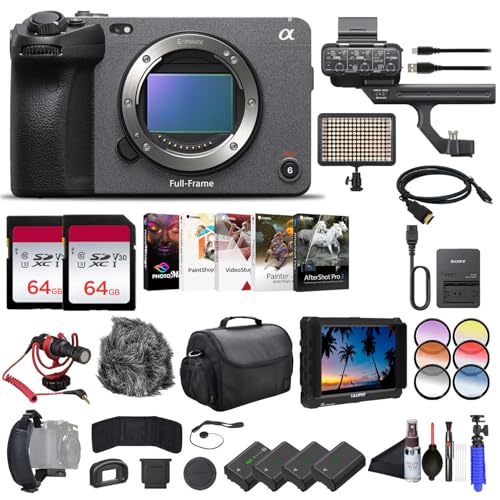
Sony USA Authorized. Bundle Includes: Sony FX3 Full-Frame Cinema Camera, Lilliput A7S 7 inch Full HD Monitor, 2 x 64GB Extreme PRO SDXC Memory Card, 3 x NP-FZ100 Battery, LED Light, Card Reader, Corel Photo Software, Rode VideoMicro Ultracompact Camera-Mount Microphone, Soft Bag, Tripod, Hand Strap, Memory Card Wallet, Cleaning Kit, Lens Cap Keeper, and more
Install Your Monitor: Simple Setup in Three Steps

Install Your Monitor: Simple Setup in Three Steps
Ever set up a new device and immediately felt overwhelmed by all the technical jargon? Eye-tracking monitors don’t have to be that way. The good news? You can get this working in about 15 minutes if you follow a few straightforward steps.
Recommended Products
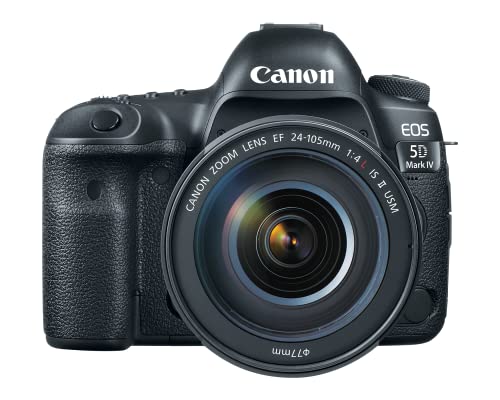
30.4 MP full-frame CMOS sensor for versatile shooting. Aspect ratio 3:2

✅ Advanced Still Functions & Performance: Sony Alpha 6400 Professional Mirrorless Digital Camera is equipped with high-speed BIONZ X image processing engine, fast hybrid AF with Real-time Eye detection, Real-time tracking & 180-degree tiltable LCD monitor makes it perfect photography & vlogging camera.

✅ Advanced Still Functions & Performance: Sony Alpha 6400 Professional Mirrorless Digital Camera is equipped with high-speed BIONZ X image processing engine, fast hybrid AF with Real-time Eye detection, Real-time tracking & 180-degree tiltable LCD monitor makes it perfect photography & vlogging camera.
Step 1: Position and Connect
Start by placing your monitor at eye level. You want it roughly 28 inches away—that’s about an arm’s length from where you’re sitting. Make sure your lighting is steady (no flickering desk lamps), and plug it directly into your computer with an Ethernet cable instead of Wi-Fi. Why does this matter? Direct connection means cleaner data and fewer tracking hiccups.
Recommended Products
Measure filter efficiency

【High-Definition LED Screen】Enjoy stunning clarity and vibrant visuals with our high-definition LED video wall. Offering exceptional resolution and rich color accuracy, this display ensures your content looks sharp and professional, whether in a conference room, retail space, or public setting.

【 P1.86 high-resolution LED screen】: YCKJNB LED screen adopts P1.86MM pixel pitch, 80-inch (1926.6*646.4mm) oversized full screen, 178° wide viewing angle, resolution of 344*1032, which ensures that the presented picture is clearer and the color is more vivid, showing a better visual experience.
Step 2: Cut Down the Glare
Now here’s the trick: angle your monitor so it’s perpendicular to any windows or bright light sources. The infrared sensors need to see your pupils and corneal reflections clearly, and glare is basically their worst enemy. If you’ve got a window to your side or behind you, that’s actually ideal. Just don’t let sunlight bounce directly off the screen.
Truth is, most people skip this step and then wonder why their tracking feels choppy.
Step 3: Calibration and Testing
The calibration process is where the magic happens. You’ll follow 5 to 13 points that appear on your screen—just look at each one as it pops up. After that, do a quick 4-point verification to make sure everything’s locked in. The system should hit that 95% accuracy threshold, which means you’re good to go for reliable behavioral monitoring.
Once you’ve done this, you’ll be running at 250 Hz sampling rates. That’s smooth, consistent tracking without the headaches.
Takes a few minutes, and you’re done. Ready to start using it?
Choose Your System: Accuracy, Features, and Price

So you’ve got the basics down—now comes the part that actually matters. Picking the right eye-tracking system can feel overwhelming because there’s a lot to juggle: accuracy, your budget, and whether your setup can even handle the equipment. But honestly, it doesn’t have to be complicated.
Let’s talk sampling rates first. You’ll see systems ranging from 30–60 Hz (that’s your standard, everyday option) up to 250 Hz for serious, detailed work. Why does this matter? Because faster sampling rates catch more of what your eyes are doing, which matters if you’re tracking something that moves quickly. If you’re just running basic screen studies, the slower speed is totally fine. But if you need to catch fatigue patterns or track fast visual searches, you’ll want that higher frequency.
Here’s the money part. Basic remote trackers—the kind you use for studies on a single screen—won’t break the bank. But if you want a full workstation setup with dual monitors and proper lighting, you’re looking at a bigger investment. Fixed systems cost more upfront but give you way better data. Mobile setups? Cheaper, but you’re trading reliability for flexibility.
Accuracy specs are where things get technical:
- Most systems aim for 0.5 degrees of accuracy
- You want at least 95% trackability (meaning the system can actually see your eyes most of the time)
- These numbers tell you whether the system will work for your specific job
Truth is, a fixed workstation will give you cleaner results than bouncing between locations. You get stable lighting, consistent positioning, and fewer things that can go wrong. The tradeoff is obvious—you’re stuck in one place.
Before you buy anything, step back and ask yourself: What do I actually need this for? Once you know that, the choice gets a lot easier.
Recommended Products

Neodymium magnetic circuit with a 15,000 gauss magnetic flux density for wider dynamic range

Intel Core i7-4720HQ 2.6GHz (turbo up to 3.6 GHz). 16 GB RAM.Battery 8Cells 6000 mAh
Sold Individually. Next-generation premium JBL driver technology. JBL 725G low-frequency transducer delivers low-distortion and high SPL. JBL 2409H high-frequency transducer with low-mass annular diaphragm for precise, powerful output. Dual Class-D amplifiers - High Frequency 250W / Low Frequency 250W Integrated bi-amplification system for punchy, powerful, and accurate sound. Patent-pending JBL Image Control Waveguide for accurate control of the sound field and precise imaging.
Frequently Asked Questions
Do Eye-Tracking Monitors Work With Eyeglasses or Contact Lenses?
I’ll tell you: eye-tracking monitors work with contact lenses without issue, but eyeglasses present challenges. You’ll need consistent eyewear use or exclusion from studies since lens impact and eyewear compatibility greatly affect tracking accuracy and data reliability.
How Often Should I Recalibrate My Eye-Tracking Monitor System?
Like a compass losing its true north, your eye tracker drifts without regular recalibration. I’d recommend recalibrating twice daily at fixed workstations for ideal settings. This calibration frequency maintains that reliable 95% trackability you’re seeking.
What Privacy Measures Protect My Eye-Tracking Data From Unauthorized Access?
I’d recommend ensuring your system uses data encryption to protect your eye-tracking information. You should also verify you’ve given informed user consent before data collection begins. Always check your device’s privacy settings and review the manufacturer’s data handling policies regularly.
Can Eye-Tracking Monitors Function in Low-Light or Varying Lighting Conditions?
I’d say eye trackers struggle in low light performance, though systems show some lighting adaptability through IR illumination. However, you’ll find ideal results with stable, consistent lighting—less-than-ideal conditions reduce reliability and data quality considerably.
Are Eye-Tracking Reminders Customizable to My Personal Work Preferences?
Yes, you can customize reminders to fit your preferences. Most eye-tracking systems let you adjust notification frequency, timing, and types of alerts through custom settings. I’d recommend tailoring these options to match your unique work schedule and habits for superior effectiveness.