As an Amazon Associate, we earn from qualifying purchases. Some links on this site are affiliate links at no extra cost to you. Our recommendations are based on thorough research and editorial judgment.

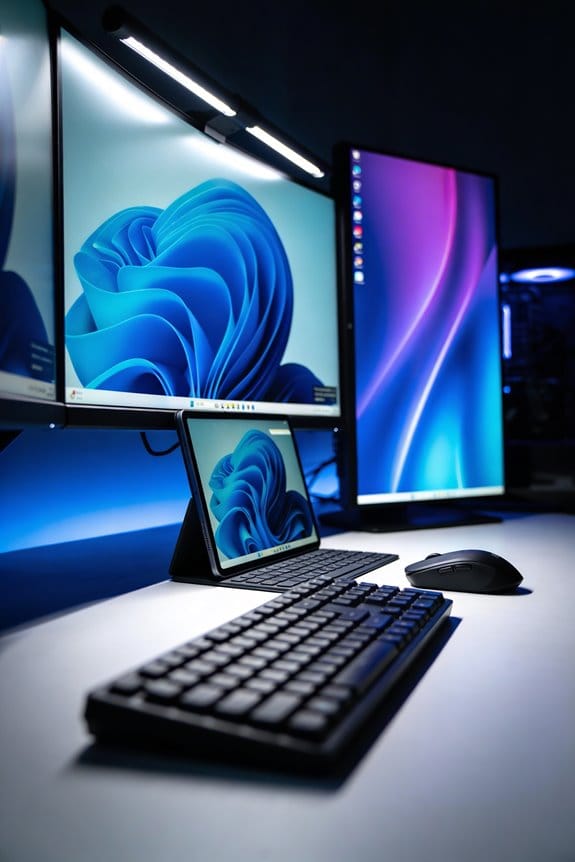
The Demise of the TN Panel in 2026: A Look at Market Shifts and Manufacturing

TN panels dominated early display markets through low production costs and 1ms response times, but their technical limitations—narrow viewing angles causing color distortion, poor color accuracy, and incompatibility with HDR and adaptive sync technologies—rendered them obsolete as IPS and OLED alternatives became price-competitive. Manufacturers in South Korea and Taiwan shifted production toward superior technologies, while Chinese makers now lead remaining TN production. Today, TN panels persist only in budget segments, competitive gaming, and cost-conscious offices, though their market share continues contracting as price differentials narrow considerably. Understanding where TN panels still function effectively requires examining specific use-case requirements and performance trade-offs in detail.
Key Takeaways
- TN panels declined as IPS and OLED technologies improved, offering superior color accuracy and wider viewing angles that consumers increasingly preferred.
- Competitors reduced IPS response times, eliminating TN’s speed advantage while narrowing price differences between panel types.
- Increased IPS and OLED production refined manufacturing processes, significantly reducing costs and making premium technologies accessible to mainstream consumers.
- TN panels remain viable in competitive gaming and budget segments due to low response times and minimal upfront costs.
- Market oversupply is expected to drive TN panel prices down approximately US$0.1 by January 2026, reflecting shifting consumer demand toward alternatives.
Why TN Panels Lost the Display Market Battle
Why TN Panels Lost the Display Market Battle
Remember when TN panels were everywhere? Yeah, they were cheap and fast—perfect for budget gaming monitors back in the day. But here’s what happened: the market moved on, and TN technology couldn’t keep up.
TN panels had a real advantage when it came to cost and response times. You could grab a monitor with lightning-fast refresh rates without emptying your wallet. That worked great for a while. But consumers started caring about more than just speed.
So, why does this matter? Because people realized they wanted to actually *see* their content properly. IPS and OLED displays showed up with better colors, wider viewing angles, and picture quality that TN just couldn’t match. Once you’ve looked at an IPS monitor, it’s hard to go back to those washed-out angles and color shifts TN was famous for.
The competition got fierce:
- IPS panels improved their response times, so TN’s speed advantage basically disappeared
- OLED technology became affordable enough to compete
- Professional work demanded better color accuracy, which TN couldn’t deliver
Frankly, the price gap shrunk too. You weren’t paying a massive premium anymore to step up from TN to something better. Why settle for inferior picture quality when you could get a solid IPS display for almost the same money?
That’s the real story. TN panels didn’t fail because they were bad at what they did—they failed because everything else got better while staying competitive on price. For most people today, there’s just no reason to choose TN over IPS or OLED.
Are you still stuck with an old TN monitor, or have you made the switch?
How IPS and OLED Became Cheaper and Better Than TN Panels

How IPS and OLED Became Cheaper and Better Than TN Panels
Remember when buying a decent monitor meant choosing between a blurry TN panel or paying way too much for anything better? Yeah, those days are pretty much gone now.
It turns out a few things happened at the same time that completely flipped the script. Manufacturers started making IPS and OLED panels in bigger quantities, which always drives costs down. The more factories pump out a product, the cheaper it gets to make. At the same time, companies kept refining their processes—squeezing out waste, speeding up production, cutting down defects. Before long, IPS and OLED panels cost almost as much to manufacture as those old TN panels everyone used to buy by default.
But here’s the thing: it wasn’t just about price. The actual performance got way better, too. Between 2009 and 2011, we saw a bunch of IPS variants show up—E-IPS, P-IPS, AH-IPS—that actually fixed the old problems people complained about. Response times improved. Contrast ratios stopped looking washed out. Meanwhile, OLED technology brought something totally different to the table: incredible color accuracy and viewing angles that made TN look ancient. You didn’t need special backlight tricks or fancy strobing. The picture just looked better from every angle.
So why does this matter? Because suddenly you didn’t have to choose between good and affordable anymore.
The real turning point came when these two trends collided. Prices dropped. Quality jumped up. Mainstream consumers could finally afford what used to be “professional-grade” gear. TN panels, which had dominated budget segments forever, just couldn’t compete anymore. They’re still out there, sure—in some ultra-budget builds and cheap laptops—but honestly? Most people have moved on without even noticing.
The best part is, you’re probably already benefiting from this shift. That monitor on your desk or the screen on your laptop? Odds are it’s using technology that would’ve cost hundreds more just 15 years ago.
Recommended Products

32-inch WQHD (2560 x 1440) Fast IPS gaming monitor with ultrafast 175Hz refresh rate (supports 144hz) designed for professional gamers and immersive gameplay
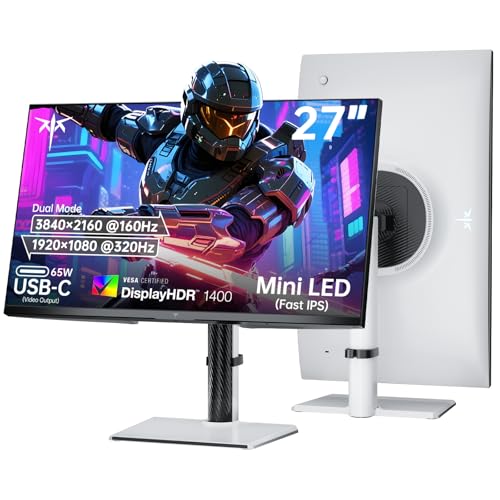
Dual Mode Monitor: 160Hz 4K Gaming Monitor or 320Hz 1080P Monitor for your choice. Switch the mode to suit your needs best and enjoy ultra-sharp 4K resolution at 160Hz for immersive details or Full HD at 320Hz for ultra-fast smooth gameplay. Ideal for FPS players, console users, or professional gamers.

Great for gaming, this ultra-wide QHD (3440 x 1440, 21:9 aspect ratio) curved monitor immerses you in the action and increases your field of view, allowing you to see more on-screen.
TN Panel Technical Limits: Viewing Angles, Color Accuracy, and Motion Clarity

TN Panel Technical Limits: Viewing Angles, Color Accuracy, and Motion Clarity
So you’re shopping for a monitor and you keep seeing TN panels at rock-bottom prices. Yeah, they’re cheap for a reason.
Back in the early 2000s, TN panels were everywhere because they didn’t cost much to make. But here’s the thing—and this matters if you actually want to use your monitor for real work—they come with some serious drawbacks that never really got fixed.
The viewing angle problem is real. Sit off to the side of a TN panel and the image washes out or inverts colors. Why does this matter? If you’re working at your desk and someone walks by to check your work, or if you’re using a second monitor positioned at an angle, you’re looking at a basically unusable display. It’s not like you’re being picky—it’s a fundamental limitation of how TN technology works.
Color accuracy is another story entirely. TN panels just can’t reproduce colors reliably the way professional work requires. You think you’re editing a photo correctly, but when someone else opens it on a different screen, it looks totally different. Forget doing any serious photo editing, video work, or design on a TN panel.
Then there’s the motion clarity thing. TN panels need strobed backlighting to keep motion looking smooth and sharp. The catch? That strobing doesn’t play well with:
- HDR (the better colors and brightness you want)
- Adaptive sync tech like G-Sync or FreeSync (smoother gaming)
You’re basically choosing between smooth motion or modern display features. Not ideal.
Honestly, this is why you don’t see TN panels in professional studios or content creation spaces anymore. The tech just can’t deliver what professionals actually need.
Where TN Panels Still Dominate: Gaming, Budget, and Office Markets

Where TN Panels Still Dominate: Gaming, Budget, and Office Markets
So you’re shopping for a monitor and someone tells you to skip TN panels because they’re “old tech.” But here’s the reality: TN panels aren’t going anywhere. They still own three huge markets, and honestly, there’s a good reason why.
Competitive gamers are probably the biggest fans. If you’re into esports or fast-paced shooters, you already know the deal—a 240Hz TN panel with a 1ms response time beats a beautiful but sluggish IPS monitor every single time. Motion clarity wins. Yeah, the colors won’t blow you away and the viewing angles are rough, but when you’re chasing rank or competing for money, that lag matters more than whether your screen looks pretty from the side.
Budget shoppers make up another massive chunk. You’re not wrong to hesitate at the color accuracy or contrast issues. Truth is, most people buying a $150 monitor just need something that works and won’t break the bank. The trade-off between a crisp image and saving $100? For a lot of folks, that’s an easy choice.
Then there’s the office world. Companies buying dozens of monitors for their workforce don’t care about your gaming dreams or color-grading ambitions. They want:
- Low upfront cost
- Reliable performance
- Minimal maintenance headaches
TN panels check all those boxes, especially for secondary workstations where employees just need something functional.
So why does this matter? Because TN panels aren’t disappearing because they still solve real problems for real people. Entertainment and lower-cost display segments keep humming along too—manufacturers know there’s consistent demand.
The takeaway: don’t feel bad picking a TN panel if it fits your actual needs and budget. Just go in with eyes open about what you’re getting.
Recommended Products
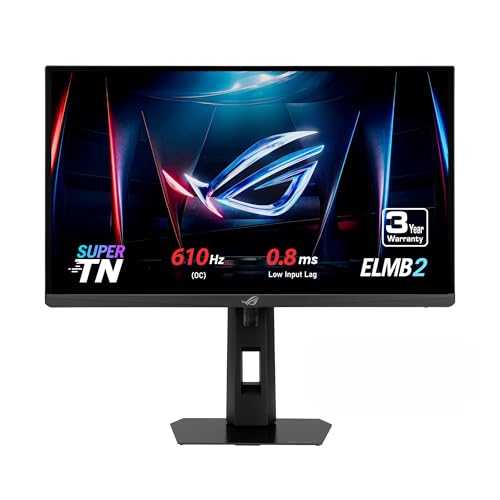
24.1-inch FHD (1920 x 1080) Super TN panel with 610Hz (OC) refresh rate, designed specifically for professional esports gamers

SHARPER AND CLEARER than IPS — a Fast TN panel provides clearer and sharper outlines of overall moving images, helping you focus and have less distractions from the unwanted afterimage of the motions in-game.

IMMERSIVE MONITOR: WQHD 1440p resolution, 1500R curvature, 1ms (MPRT) response time, and 165Hz refresh rate gives you the ultimate enthusiast experience
How to Choose Between TN Panel Options for Your Use Case

So you’ve decided a TN panel is what you need—now comes the harder part. You’ve got to actually compare models and figure out which specs matter for *your* setup, because honestly, response time, refresh rate, and resolution all vary wildly depending on whether you’re gaming on a budget, working in an office, or somewhere in between.
Let’s talk budget gaming first. You don’t need to spend a fortune here. Look for panels that hit 1ms response times and 144Hz refresh rates. That combo gives you the best of what TN panels offer without making your wallet hurt.
Office work is simpler, frankly. A 60Hz refresh rate with standard 1920×1080 resolution does the job just fine. You’re not pushing pixels around for competitive advantage—you’re just trying to get work done without breaking the bank.
Now, if you’re serious about gaming, that’s where things get interesting. You’ll want to push toward 165Hz or even 240Hz panels paired with really snappy pixel response. The difference between 144Hz and 240Hz feels noticeable once you experience it, and competitive players swear by it.
Here’s the trick: sit down and actually think about what you do most. Are you grinding ranked matches? Crunching spreadsheets? Scrolling through videos? That answer tells you everything about which specs deserve your money and which ones you can skip. Match what you’re buying to what you’re actually doing, and you won’t waste cash on features you’ll never use.
Recommended Products

PROVIDE THE BEST MOTION CLARITY IN THE INDUSTRY — Compared to any other panel types, a Fast TN panel with DyAc technology provide clearer and sharper images.

27" Full HD (1920 x 1080) Widescreen TN Display with NVIDIA G-SYNC Technology

【4K Touch Screen TV】32-inch UHD touch screen TV with 3840x2160 resolution. 4K portable TV provides you with multiple choices through ten-point touch, which brings convenience and happiness whether you are cooking, yoga or watching movies. 3000:1 contrast ratio and 121% sRGB color gamut make colors clearer and more vivid.
Why Chinese Manufacturers Now Lead TN Panel Production
Honestly, if you’re shopping for a TN panel monitor on a budget, you’ve probably noticed something: Chinese brands are everywhere. That wasn’t always the case. So why does this matter to you? Because understanding where your monitor comes from actually affects what you’re getting for your money.
Back in 2008, when the financial crisis hit, most display makers played it safe. Not Chinese manufacturers like BOE Technology Group and China Star Optoelectronics. They did the opposite—they expanded. While South Korean and Taiwanese producers were cutting costs and holding back, these Chinese companies ramped up production and pushed prices down. They weren’t focused on building the fanciest panels; they wanted volume and market share.
Here’s the trick: they succeeded because they made smart choices about what to prioritize. Lower labor costs helped, sure. But more importantly, their strategy was different. Instead of competing on quality alone (which costs money), they focused on making decent panels cheaply and fast. That approach worked.
By the time the economy recovered, Chinese manufacturers had already locked in their advantage. Government support and local resources made it even easier to maintain that edge. Today, they’re producing more TN panels globally than anyone else—and honestly, that’s reflected in the products you see at retailers.
The real takeaway? When you’re comparing budget monitors, you’re likely comparing products from manufacturers who learned how to do more with less during a crisis. It’s not always a bad thing—you just want to know what you’re getting into.
How South Korean and Taiwanese Makers Shifted Away From TN
How South Korean and Taiwanese Makers Shifted Away From TN
Back in 2008, when the financial crisis hit, South Korean and Taiwanese display makers faced a tough choice. Chinese competitors were doubling down on cheap production, but these companies decided to go a completely different direction. They basically said, “We’re not competing on price anymore.”
South Korea led the charge toward premium IPS and OLED screens. During the LCD downturn, their manufacturers realized something important: TN panels couldn’t cut it for professional work or high-end consumers. Poor viewing angles, weak contrast, mediocre colors—these limitations kept TN panels stuck in budget territory. By shifting focus to specialty displays with better margins, South Korean makers protected themselves when the market was rough.
Taiwan followed a similar path, though it came with real pain. Manufacturers took massive hits and went through multiple rounds of consolidation. Companies couldn’t avoid it—they had to restructure their entire production lineup or risk going under. The consolidation forced them to think bigger about what they could actually compete on.
So why does this matter? Because both regions understood a fundamental truth: TN panels don’t belong in segments where you can actually make real money. Professional users and premium consumers care about quality, and TN panels just don’t deliver. By redesigning their portfolios around advanced panel architectures, South Korean and Taiwanese makers positioned themselves where the profit margins actually exist.
The takeaway? Sometimes survival means abandoning what you’re comfortable making and betting on something better. These companies didn’t have the luxury of staying comfortable, and that decision ultimately saved them.
TN Panel Prices Are Falling in 2026: What You Should Know
TN Panel Prices Are Falling in 2026: What You Should Know
If you’ve been thinking about upgrading your monitor or laptop, timing matters more than you might think. Right now, TN panel prices are dropping, and it’s worth understanding what’s happening and how it could affect your wallet.
Manufacturers are dealing with a messy situation: too much inventory, shifting demand, and prices that just keep sliding down. TN panel costs are expected to fall by around US$0.1 in January 2026, especially for notebook panels. This might not sound like much, but it adds up when you’re looking at bulk purchases or comparing deals across retailers.
Here’s what’s interesting: LCD monitor demand actually picked up before the typical seasonal rush. Why? Buyers got nervous about component prices and started stocking up early. That sounds good, right? Not exactly. It created an odd supply situation that actually pushed TN panel prices down even further. The more inventory sitting around, the more manufacturers need to cut prices to move it.
Try this: if you’re in the market for a new display, don’t rush. Production cuts are scheduled for February 2026, which means manufacturers are intentionally slowing output to stabilize prices. They’re trying to match supply with what people actually want to buy. But here’s the catch—uncertainty extends well into Q2 2026, so pricing strategies remain soft across the board.
What does that mean for you? Prices could stay low for a bit longer, or they could stabilize once manufacturers get their inventory under control. The best approach is to monitor your local pricing over the next few weeks and grab a deal when you see one, but don’t feel pressured to buy immediately.
Bottom line: TN panel prices are dropping, and while that’s good news for your budget, the market’s still finding its footing. Keep an eye on pricing trends before you make your next purchase.
Recommended Products

【Processor】Powered by Intel Core i5-1335U, a 13th Gen processor with 10 cores (2 Performance + 8 Efficient) and 12 threads, delivering responsive performance for multitasking and everyday productivity. With Intel Turbo Boost Technology, it reaches up to 4.6 GHz, providing smooth operation for work, study, and entertainment. Integrated Intel UHD Graphics ensures clear visuals and efficient performance for streaming, collaboration, and daily computing.
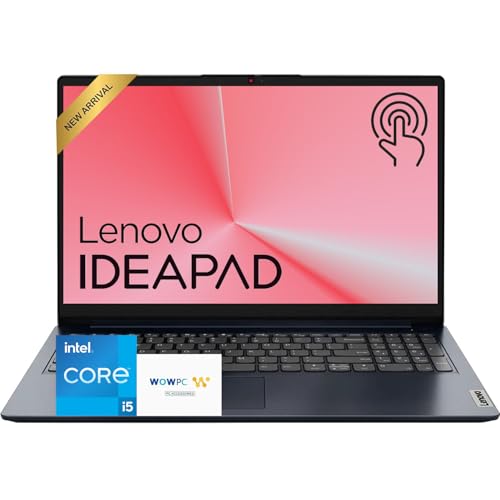
Powerful Intel Core i5 Performance: With Intel Core i5 (10 Cores), this laptop delivers fast performance for work, school, and everyday use. Enjoy smooth multitasking and seamless browsing.
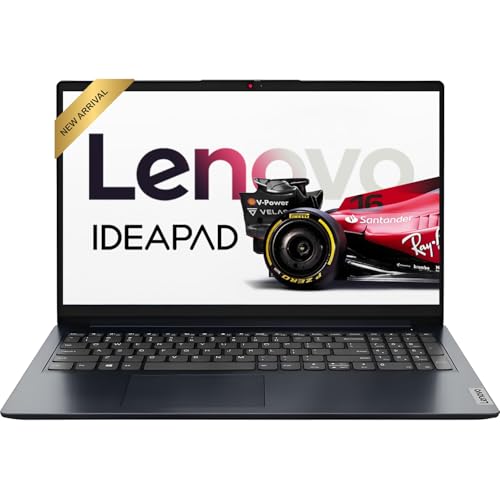
【AI-Function】Boost your productivity with the AI-driven Windows Copilot, offering intelligent task management, personalized assistance, and smart recommendations to make your daily tasks more efficient and intuitive.
Should You Still Buy a TN Panel, or Switch to IPS or OLED?
Should You Still Buy a TN Panel, or Switch to IPS or OLED?
Stuck between a budget monitor and one that actually looks good? That’s the real question you’re facing in 2026.
Honestly, TN panels used to be the only affordable option. Now? They’re mostly a budget play. IPS and OLED have gotten cheaper, which means TN’s main advantage—saving money—isn’t as strong anymore. You’re trading picture quality for a smaller price tag, and that trade-off doesn’t make as much sense as it used to.
Why the shift matters.
IPS panels give you better colors and viewing angles. OLED goes even further with contrast that TN just can’t touch. If you’re working at an angle or sharing your screen with someone else, TN panels start looking washed out fast. So, why would you accept that if the price gap has narrowed?
Here’s what actually changed:
TN panels used to cost way less. Today, a decent IPS monitor won’t break the bank. OLED is still pricier, but it’s becoming more realistic for regular people, not just professionals.
For gaming or everyday office work on a budget, TN panels still work fine—especially if you sit directly in front of the screen. But if you’re doing photo editing, video work, or using a second display for anything color-critical, TN panels will frustrate you. The colors won’t match what you expect, and the viewing angles are restrictive.
Truth is, modern TN alternatives like IPS now handle motion clarity better and play nice with HDR without weird tricks. You’re not giving up performance when you switch.
What do you actually use your monitor for? That answer matters more than the panel type itself.
Recommended Products

PORTABLE POWER FOR PROFESSIONALS - Dell Latitude 3450 is designed for dependable everyday business use, combining long battery life with a durable build to support extended workdays. Tested to meet MIL‑STD‑810H standards, it offers added reliability for daily commuting and frequent handling. In daily use, intelligent audio technology helps reduce background noise, keeping virtual meetings and calls clear and consistent throughout the day.

The Lenovo A100 is more than a desktop — it's your all-in-one solution to enhance efficiency. Powered by Intel Core i3-N305 (8C / 8T, Max Turbo up to 3.8GHz, 6MB) processor, it tackles your tasks effortlessly, whether you're crunching numbers or creating presentations. You can use office 365 for the web to edit word/excel/powerpoint when internet is available.
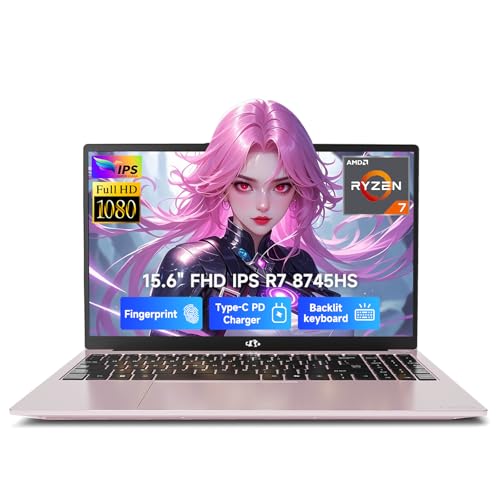
【Unleash Peak Performance】Engineered for power users and content creators, this NIMO laptop is powered by the robust AMD Ryzen 7 8745HS processor. Boasting an 8-core, 16-thread architecture with boost speeds up to 4.9GHz, it delivers outstanding responsiveness for intensive workloads. Enjoy completely smooth multitasking whether you’re editing 4K videos, processing 3D renders, or gaming, ensuring zero lag and uninterrupted workflow efficiency.
Frequently Asked Questions
What Caused the U.S. Display Manufacturing Industry to Collapse After 1994?
I’ll tell you what hollowed out America’s display industry: while we innovated domestically, manufacturers shifted production overseas, where market competition and cheaper labor decimated our display technology sector. We couldn’t compete globally anymore after 1994.
How Did the 2008 Financial Crisis Differently Impact South Korean Versus Taiwanese Panel Makers?
I’ll explain how the 2008 crisis affected these regions differently. South Korea’s resilience allowed makers to shift defensively and weather the downturn, while Taiwan’s vulnerability left them suffering massive losses and undergoing repeated consolidation rounds.
What Specific Technical Incompatibilities Prevent TN Panels From Supporting HDR and Adaptive Sync?
I’ll share why TN panels have “grown differently.” They require strobed backlighting for quick pixel response, which conflicts with HDR’s continuous brightness and adaptive sync’s variable refresh timing. This technical arrangement simply can’t accommodate modern standards requiring stable color accuracy simultaneously.
Which Chinese Manufacturers Capitalized on Industry Consolidation to Dominate TN Panel Production Today?
I’d point you toward BOE Technology Group and China Star Optoelectronics as the Chinese manufacturers who’ve leveraged market consolidation to gain manufacturing advantages in TN panel production. They’ve capitalized on crisis opportunities to establish dominant positions in this segment.
How Will Panel Maker Production Cuts in February 2026 Affect Consumer Pricing Beyond Q2?
I’ll cut straight to the chase: February’s production cuts are a double-edged sword. You’ll likely see price inflation intensify beyond Q2 as manufacturers tighten supply, yet consumer demand remains uncertain—creating a volatile pricing landscape that’ll keep you guessing.