As an Amazon Associate, we earn from qualifying purchases. Some links on this site are affiliate links at no extra cost to you. Our recommendations are based on thorough research and editorial judgment.

10 OLED Monitors 144Hz That Redefine Gaming Immersion

You’ll find ten OLED monitors that meet 144 Hz or higher refresh rates, featuring 0.03 ms GTG response, HDR True Black 400 or greater, QD‑OLED panels with 99 % DCI‑P3 coverage, HDMI 2.1 or DisplayPort 1.4 with DSC, USB‑C power delivery up to 90 W, adjustable stands, and warranties from one to four years, while employing burn‑in mitigation, adaptive‑sync, and peak brightness between 400 nits and 1300 nits, ensuring ultra‑fast, high‑contrast gaming immersion; continue to discover detailed specs and comparisons.
Key Takeaways
- Choose a 144 Hz OLED monitor with HDR True Black 400 for deep blacks and vivid colors, ensuring immersive visuals.
- Prioritize QD‑OLED panels (e.g., Philips Evnia, MSI MAG 271QP) for extended color gamut and peak brightness above 400 nits.
- Verify HDMI 2.1 or DisplayPort 1.4 with DSC support to sustain 144 Hz at QHD/4K without bandwidth throttling.
- Look for adaptive‑sync (G‑Sync/FreeSync) to eliminate tearing and maintain smooth frame delivery during fast‑paced gaming.
- Consider ergonomic features—adjustable stand, VESA mount, low‑blue‑light, flicker‑free—to enhance comfort during long sessions.
| Philips Evnia 34″ Curved QD OLED Gaming Monitor 175Hz USB‑C Hub Height Adjustable 4‑Year Advance Replacement Gaming Console Compatible |  | Ultra‑Wide Immersion | Panel Type: QD‑OLED | Resolution: 3440 × 1440 (WQHD) | Refresh Rate: 175 Hz | VIEW LATEST PRICE | Read Our Analysis |
| MSI MAG 271QP QD-OLED Gaming Monitor 280Hz HDR Ready | 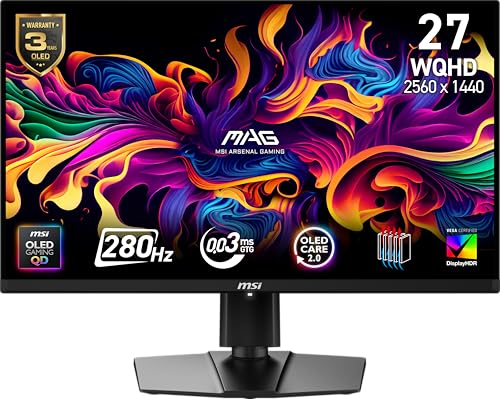 | Highest Refresh | Panel Type: QD‑OLED | Resolution: 2560 × 1440 (QHD) | Refresh Rate: 280 Hz | VIEW LATEST PRICE | Read Our Analysis |
| ASUS ROG Strix 32” 4K OLED Gaming Monitor (XG32UCWG) | 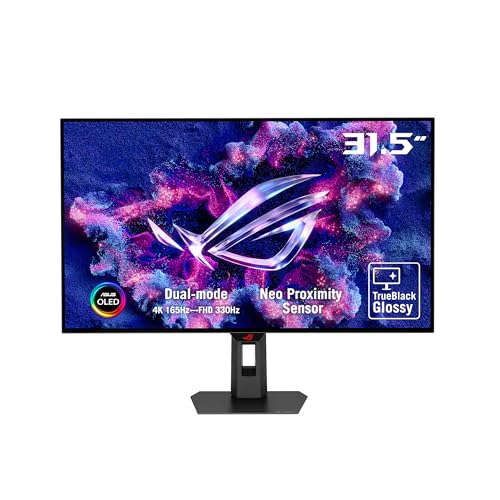 | 4K Powerhouse | Panel Type: WOLED (TrueBlack) | Resolution: 3840 × 2160 (4K UHD) | Refresh Rate: 165 Hz (4K) / 330 Hz (FHD) | VIEW LATEST PRICE | Read Our Analysis |
| LG 27GX704A-B QHD OLED Gaming Monitor 240Hz Black HDR400.HD | 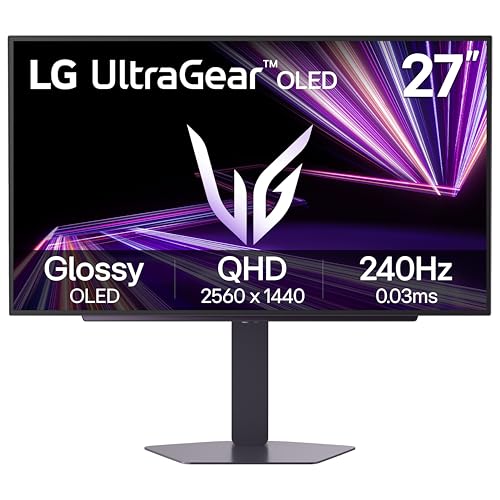 | Console‑Ready Pro | Panel Type: OLED | Resolution: 2560 × 1440 (QHD) | Refresh Rate: 240 Hz | VIEW LATEST PRICE | Read Our Analysis |
| ASUS ROG Strix 27″ 4K Gaming Monitor (XG27UCS) |  | Elite 4K | Panel Type: Fast IPS (non‑OLED) – *Note: only non‑OLED in set* | Resolution: 3840 × 2160 (4K UHD) | Refresh Rate: 160 Hz | VIEW LATEST PRICE | Read Our Analysis |
| AOC Q27GAZD 27″ QD OLED Gaming Monitor 240Hz QHD | 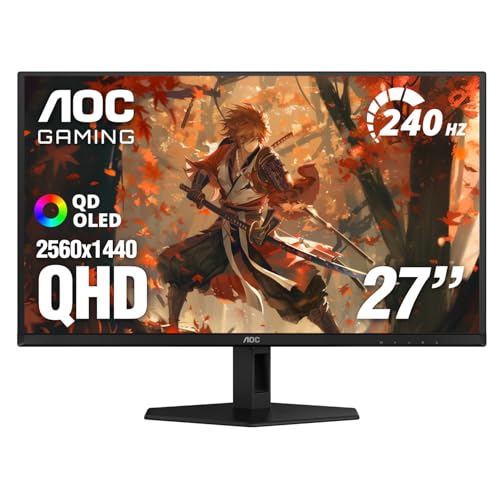 | Color‑Rich Performer | Panel Type: QD‑OLED | Resolution: 2560 × 1440 (QHD) | Refresh Rate: 240 Hz | VIEW LATEST PRICE | Read Our Analysis |
| Samsung Odyssey G5 27″ QHD Gaming Monitor 180Hz QN‑Sync | 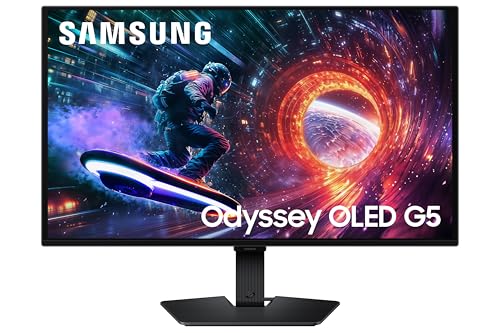 | QN‑Sync Champion | Panel Type: QD‑OLED | Resolution: 2560 × 1440 (QHD) | Refresh Rate: 180 Hz | VIEW LATEST PRICE | Read Our Analysis |
| INNOCN 24.5″ 1440P 240Hz Gaming Monitor | 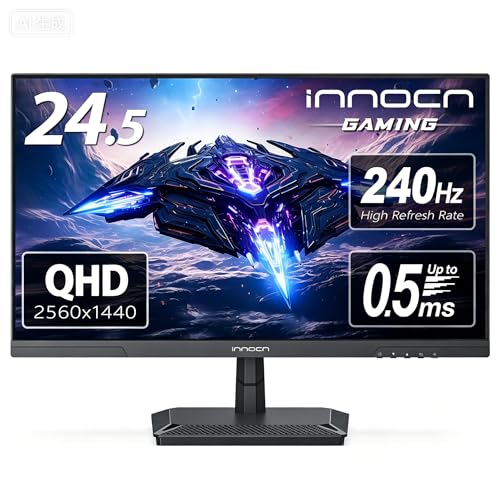 | Compact Speedster | Panel Type: Fast IPS (non‑OLED) – *Note: only non‑OLED in set* | Resolution: 2560 × 1440 (QHD) | Refresh Rate: 240 Hz | VIEW LATEST PRICE | Read Our Analysis |
| LG 39″ Ultragear OLED Curved Gaming Monitor – 240Hz G‑Sync USB‑C HDR400 | 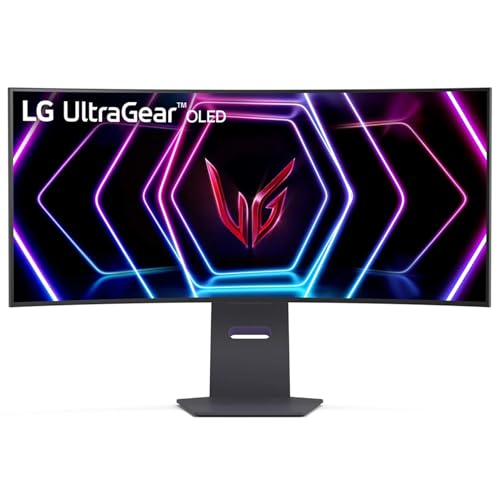 | Curved Ultra‑Wide | Panel Type: OLED | Resolution: 3440 × 1440 (WQHD) | Refresh Rate: 240 Hz | VIEW LATEST PRICE | Read Our Analysis |
| LG 32GS95UV 32″ Ultragear OLED Gaming Monitor 4K 240Hz 0.03ms | 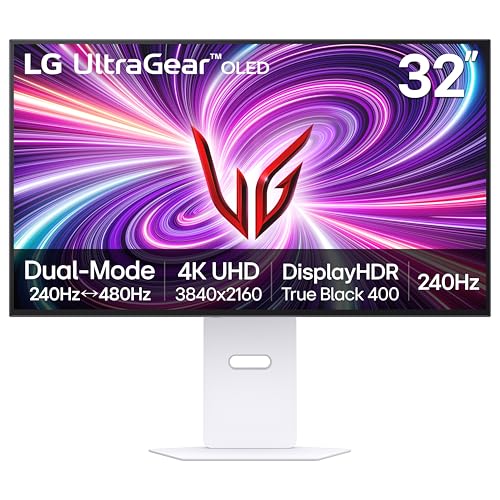 | 4K Dual‑Mode | Panel Type: OLED | Resolution: 3840 × 2160 (4K UHD) | Refresh Rate: 240 Hz | VIEW LATEST PRICE | Read Our Analysis |
More Details on Our Top Picks
Philips Evnia 34″ Curved QD OLED Gaming Monitor 175Hz USB‑C Hub Height Adjustable 4‑Year Advance Replacement Gaming Console Compatible
The Philips Evnia 34M2C6500, featuring a 34‑inch QD‑OLED panel with a 3440 × 1440 WQHD resolution and a 1800R curvature, serves users who require ultra‑wide, high‑contrast displays for immersive gaming and professional multitasking, while its 175 Hz refresh rate, Adaptive Sync support, and VESA DisplayHDR TrueBlack 400 certification ensure smooth motion rendering and precise color reproduction across demanding titles. You’ll connect a PC via HDMI 2.0 or DisplayPort 1.4, experience 90 W power delivery through USB‑C, and enjoy integrated USB 3.2 ports, while height‑adjustable ergonomics let you align the 23.2‑lb, 6.4 × 32 × 14.4‑in chassis to your eye level, and the four‑year advance‑replacement warranty protects the panel against premature failure.
- Panel Type:QD‑OLED
- Resolution:3440 × 1440 (WQHD)
- Refresh Rate:175 Hz
- HDR Certification:VESA DisplayHDR TrueBlack 400
- Adaptive Sync:Adaptive Sync (FreeSync/G‑Sync compatible)
- Connectivity (USB‑C):USB‑C with 90 W PD
- Additional Feature:1800R curvature
- Additional Feature:Height‑adjustable stand
- Additional Feature:4‑year advance replacement
MSI MAG 271QP QD-OLED Gaming Monitor 280Hz HDR Ready
Designed for competitive gamers seeking ultra‑fast response and high‑resolution visuals, the MSI MAG 271QP QD‑OLED delivers a 27‑inch QHD panel with a 2560 × 1440 resolution, 280 Hz refresh rate, and 0.03 ms gray‑to‑gray response time, while its 3rd‑generation QD‑OLED technology provides QD Premium Color and ΔE ≤ 2 color accuracy. You’ll notice the VESA DisplayHDR True Black 400 certification, which, together with 400 nits peak brightness, produces deep blacks and vivid highlights, and the ClearMR 15000 certification ensures crystal‑clear motion even during rapid action sequences. The monitor includes HDMI 2.1 with 48 Gbps bandwidth, supporting 120 Hz on compatible consoles, VRR, and ALLM, while the OLED Care 2.0 system mitigates burn‑in risk, and the 4‑side slim bezel and tilt adjustment allow ergonomic placement on a VESA‑compatible mount, all within a 23.9 × 9.52 × 16.37 inch chassis weighing 24 pounds.
- Panel Type:QD‑OLED
- Resolution:2560 × 1440 (QHD)
- Refresh Rate:280 Hz
- HDR Certification:VESA DisplayHDR TrueBlack 400
- Adaptive Sync:Adaptive‑Sync (VRR, ALLM)
- Connectivity (USB‑C):No USB‑C (HDMI, VGA)
- Additional Feature:0.03 ms GtG response
- Additional Feature:OLED Care 2.0 protection
- Additional Feature:4‑side slim bezels
ASUS ROG Strix 32” 4K OLED Gaming Monitor (XG32UCWG)
Looking for a 32‑inch 4K OLED monitor that combines ultra‑fast 0.03 ms response with a 165 Hz refresh rate at native resolution, the ASUS ROG Strix XG32UCWG delivers a TrueBlack Glossy panel, 99 % DCI‑P3 color coverage, and VESA DisplayHDR 400 compliance, making it suitable for competitive gamers and visual‑precision professionals who require high pixel density and low latency without sacrificing HDR brightness. Its 3840 × 2160 resolution, 16:9 aspect ratio, and 0.03 ms response time create crisp motion, while the 165 Hz native refresh and 330 Hz FHD mode provide fluid frame rates, and the 10‑bit color depth with Delta E < 2 ensures accurate color reproduction across the panel, and the Neo Proximity Sensor reduces burn‑in risk by blanking the screen when no user is detected, and the AI Assistant offers Dynamic Crosshair, Dynamic Shadow Boost, and AI Visual enhancements, all accessible through the DisplayWidget Center, while connectivity includes DisplayPort 1.4 (DSC), HDMI 2.1, and USB‑C with 15 W Power Delivery, supplemented by a 3‑year warranty and a 30‑day full‑refund return policy.
- Panel Type:WOLED (TrueBlack)
- Resolution:3840 × 2160 (4K UHD)
- Refresh Rate:165 Hz (4K) / 330 Hz (FHD)
- HDR Certification:VESA DisplayHDR 400 True Black
- Adaptive Sync:Adaptive Sync (G‑Sync Compatible)
- Connectivity (USB‑C):USB‑C with 15 W PD
- Additional Feature:Neo proximity sensor
- Additional Feature:AI visual enhancements
- Additional Feature:VESA mount kit
LG 27GX704A-B QHD OLED Gaming Monitor 240Hz Black HDR400.HD
If you need a 27‑inch QHD OLED panel that combines 2560 × 1440 resolution, 240 Hz refresh, and 0.03 ms response time, the LG 27GX704A‑B meets those criteria, offering 1300 nits peak brightness, 275 nits typical output, and VESA DisplayHDR True Black 400 for a 1.5 M:1 contrast ratio, while also supporting up to 98.5 % DCI‑P3 color coverage, which positions it as a technically robust option for high‑performance gaming and professional visual work. You’ll connect the display via dual HDMI 2.1 or DisplayPort 1.4, enabling next‑gen console and PC compatibility, while the NVIDIA G‑SYNC Compatible and AMD FreeSync Premium Pro technologies reduce tearing. The anti‑glare, flicker‑free, low‑blue‑light panel minimizes eye strain during extended sessions, and the adjustable stand provides tilt, height, swivel, and pivot options for ergonomic positioning. Image‑retention protection and automatic pixel‑care cycles run during standby, and on‑screen control lets you fine‑tune settings without leaving the game.
- Panel Type:OLED
- Resolution:2560 × 1440 (QHD)
- Refresh Rate:240 Hz
- HDR Certification:VESA DisplayHDR True Black 400
- Adaptive Sync:NVIDIA G‑Sync Compatible, AMD FreeSync Premium Pro
- Connectivity (USB‑C):No USB‑C (HDMI 2.1, DisplayPort 1.4)
- Additional Feature:1300 nits peak brightness
- Additional Feature:Hexagon lighting ring
- Additional Feature:Fully adjustable stand
ASUS ROG Strix 27″ 4K Gaming Monitor (XG27UCS)
The ASUS ROG Strix XG27UCS, a 27‑inch Fast IPS panel delivering 3840×2160 4K UHD resolution, targets professional gamers who demand high‑frame‑rate precision, because its 160 Hz refresh rate, 1 ms GTG response, and G‑Sync compatibility together minimize motion blur and tearing while preserving color fidelity, as evidenced by its 130% sRGB and 95% DCI‑P3 coverage, HDR400 support, and ELMB SYNC technology, which collectively enable smooth, low‑latency gameplay across demanding titles. You’ll appreciate the matte surface that reduces glare, the USB‑C port that supplies power and video, and the tripod socket that permits flexible mounting, while the 3‑year warranty and 14.5‑pound chassis ensure durability; the DisplayWidget Center software allows real‑time adjustments via mouse, and the 4K panel maintains uniform color and grayscale transitions at 160 Hz, delivering consistent visual performance without sacrificing response time.
- Panel Type:Fast IPS (non‑OLED) – *Note: only non‑OLED in set*
- Resolution:3840 × 2160 (4K UHD)
- Refresh Rate:160 Hz
- HDR Certification:HDR400
- Adaptive Sync:G‑Sync Compatible
- Connectivity (USB‑C):USB‑C (data only)
- Additional Feature:ELMB SYNC motion blur reduction
- Additional Feature:Matte screen surface
- Additional Feature:Tripod socket
AOC Q27GAZD 27″ QD OLED Gaming Monitor 240Hz QHD
AOC Q27GAZD targets competitive gamers who demand ultra‑fast response and high‑resolution visuals, offering a 27‑inch QD OLED panel with 2560 × 1440 QHD resolution, 240 Hz refresh rate, and 0.03 ms GtG response time, while HDR400 True Black certification ensures deep blacks and a contrast ratio that exceeds conventional LCDs, and its 147.6 % sRGB and 110.2 % DCI‑P3 color gamut delivers vivid, accurate colors suitable for both PC and console gaming, complemented by G‑Sync and Adaptive‑Sync compatibility that eliminates tearing and stuttering, and a fully adjustable stand with tilt, swivel, pivot, and height controls, plus VESA mounting options, all housed in a 7.5 × 23.99 × 17.89‑inch chassis weighing 17.66 lb, connected via HDMI 2.0, DisplayPort, and USB 3.2, and backed by a three‑year Zero‑Bright‑Dot warranty. The monitor’s 0.03 ms response time reduces motion blur, allowing precise tracking of fast‑moving targets, while the 240 Hz refresh rate delivers smooth frame transitions, which, combined with G‑Sync, synchronizes frame output to the GPU, preventing screen tearing and stuttering during high‑intensity gameplay. Its QD OLED technology produces deep blacks and high contrast, and the HDR400 True Black certification further enhances dynamic range, resulting in a more immersive visual experience across both bright and dim scenes, and the 147.6 % sRGB and 110.2 % DCI‑P3 coverage ensures color fidelity for realistic rendering. Connectivity includes a single HDMI 2.0 port and a DisplayPort, both supporting the full 240 Hz bandwidth, while USB 3.2 provides peripheral connectivity, and the VESA‑compatible mount enables flexible placement in multi‑monitor configurations or wall‑mounted setups. The adjustable stand offers tilt, swivel, pivot, and height adjustments, facilitating ergonomic positioning, and the three‑year Zero‑Bright‑Dot warranty covers pixel defects, underscoring the product’s durability and long‑term reliability for competitive gaming environments.
- Panel Type:QD‑OLED
- Resolution:2560 × 1440 (QHD)
- Refresh Rate:240 Hz
- HDR Certification:HDR400 True Black
- Adaptive Sync:G‑Sync Compatible, Adaptive‑Sync
- Connectivity (USB‑C):No USB‑C (HDMI 2.0, DisplayPort)
- Additional Feature:147.6% sRGB gamut
- Additional Feature:Console‑gaming ready
- Additional Feature:VESA‑mountable stand
Samsung Odyssey G5 27″ QHD Gaming Monitor 180Hz QN‑Sync
A competitive gamer seeking ultra‑smooth visuals and rapid response will find the Samsung Odyssey G5 27″ QHD monitor, with its 180 Hz refresh rate, 0.03 ms GtG response time, and QD‑OLED panel, a technically fitting choice. You’ll notice that the 2560 × 1440 resolution, Pantone‑validated color gamut covering over 2100 hues, and HDR10 support combine to deliver high‑fidelity imagery, while the Glare‑Free coating reduces ambient reflections, thereby preserving contrast during extended sessions. The integration of NVIDIA G‑Sync and AMD FreeSync eliminates tearing, the Black Equalizer clarifies shadows, and Virtual Aim Point refines targeting; simultaneously, OLED Safeguard’s thermal modulation, Logo and Taskbar Detection, and a three‑year warranty address burn‑in risk, and Auto Source Switch+ streamlines device transitions, all within a 7.27‑pound, 27‑inch chassis.
- Panel Type:QD‑OLED
- Resolution:2560 × 1440 (QHD)
- Refresh Rate:180 Hz
- HDR Certification:HDR10 (OLED) – *HDR10 equivalent*
- Adaptive Sync:NVIDIA G‑Sync Compatibility, AMD FreeSync
- Connectivity (USB‑C):No USB‑C (HDMI 2.1, DisplayPort)
- Additional Feature:Pantone‑validated colors
- Additional Feature:Virtual aim point
- Additional Feature:OLED Safeguard burn‑in protection
INNOCN 24.5″ 1440P 240Hz Gaming Monitor
Looking for a 24.5‑inch QHD panel that delivers ultra‑fast response and high refresh rates, the INNOCN 25G2S offers a 240 Hz G‑SYNC‑compatible display, 1 ms response time, and 99 % sRGB coverage, making it suitable for competitive FPS and RTS gaming. Its Fast IPS panel provides 2560 × 1440 resolution, 16:9 aspect ratio, and ultra‑narrow three‑sided bezels, while HDMI 2.1 and DisplayPort 1.4 ports support a wide range of consoles and PCs, and the metal stand allows tilt adjustment and VESA mounting, ensuring ergonomic flexibility, and the 8.98‑lb chassis remains stable during rapid movements, blue‑light reduction and flicker‑free technology reduce eye strain during extended sessions, and the one‑year warranty offers basic product protection.
- Panel Type:Fast IPS (non‑OLED) – *Note: only non‑OLED in set*
- Resolution:2560 × 1440 (QHD)
- Refresh Rate:240 Hz
- HDR Certification:HDR400
- Adaptive Sync:G‑Sync Compatible
- Connectivity (USB‑C):No USB‑C (HDMI 2.1, DisplayPort)
- Additional Feature:Ultra‑narrow 3‑sided bezel
- Additional Feature:Eye‑care blue‑light reduction
- Additional Feature:1‑year product quality service
LG 39″ Ultragear OLED Curved Gaming Monitor – 240Hz G‑Sync USB‑C HDR400
The LG 39‑inch Ultragear OLED Curved Gaming Monitor, model FBALG39GS96QBB, serves competitive gamers and professional simulators who demand ultra‑wide, high‑refresh displays, because its 21:9 QHD resolution (3440 × 1440) combined with an 800R curvature delivers immersive visual fields while maintaining precise pixel density. You’ll notice its 240 Hz refresh rate, 0.03 ms response time, and NVIDIA G‑Sync Compatibility, which together reduce motion blur and input lag, while AMD FreeSync Premium Pro adds variable refresh support across compatible GPUs. The VESA DisplayHDR True Black 400 standard provides 1.5 M:1 contrast and 275 cd/m² brightness, and a USB‑C port with three additional USB ports enable video, data, and power delivery, complemented by built‑in speakers for basic audio output. The anti‑glare, borderless design, measuring 12.2 × 35 × 24.1 inches and weighing 23.8 lb, fits desk setups while minimizing reflections, and the manufacturer’s warranty details are available on the product page.
- Panel Type:OLED
- Resolution:3440 × 1440 (WQHD)
- Refresh Rate:240 Hz
- HDR Certification:VESA DisplayHDR True Black 400
- Adaptive Sync:NVIDIA G‑Sync Compatible, AMD FreeSync Premium Pro
- Connectivity (USB‑C):USB‑C (data, power)
- Additional Feature:800R curvature ultrawide
- Additional Feature:Built‑in speakers
- Additional Feature:Borderless screen design
LG 32GS95UV 32″ Ultragear OLED Gaming Monitor 4K 240Hz 0.03ms
Gamers seeking ultra‑fast, high‑resolution visuals will find the LG 32GS95UV’s 31.5‑inch OLED panel, 3840 × 2160 resolution, and 0.03 ms gray‑to‑gray response time especially compelling, as these specifications enable near‑instantaneous pixel shifts and deep black levels that reduce motion blur and enhance detail perception. The monitor delivers 240 Hz refresh at 4K via DisplayPort 1.4, supports a dual‑mode 480 Hz Full‑HD option, and integrates NVIDIA G‑SYNC Compatibility alongside AMD FreeSync Premium Pro, ensuring tear‑free, low‑latency output across compatible GPUs. Its DisplayHDR True Black 400 certification, 1.5 M:1 contrast ratio, and Pixel Sound audio emission from behind the panel contribute to immersive visual and auditory fidelity, while HDMI 2.1, two USB 3.0 ports, anti‑glare coating, and adjustable tilt/height/swivel stand provide thorough connectivity and ergonomic flexibility. The unit weighs approximately 19.8 lb, measures 10.9 × 28.1 × 24.6 in, and includes a two‑year UltraGear OLED warranty covering internal components and labor.
- Panel Type:OLED
- Resolution:3840 × 2160 (4K UHD)
- Refresh Rate:240 Hz
- HDR Certification:DisplayHDR True Black 400
- Adaptive Sync:NVIDIA G‑Sync Compatible, AMD FreeSync Premium Pro
- Connectivity (USB‑C):No USB‑C (HDMI 2.1, DisplayPort)
- Additional Feature:Pixel Sound audio output
- Additional Feature:Dual‑mode 4K@240 Hz / FHD@480 Hz
- Additional Feature:Adjustable tilt/height/swivel stand
Factors to Consider When Choosing an Oled Monitor 144HZ
You should first verify the OLED panel technology, confirming whether it employs a WRGB or RGB subpixel arrangement, since this impacts black levels and peak brightness, while also checking that the 144 Hz refresh rate remains consistent across all native resolutions, because any fluctuation can cause motion artifacts during fast-paced gameplay. Next, evaluate HDR performance and color accuracy by reviewing V‑Peak values, 10‑bit , and ΔE metrics, ensuring the monitor delivers the advertised HDR10+ or Dolby Vision standards without color banding, and confirm that connectivity options such as HDMI 2.1, DisplayPort 1.4, and USB‑C with DP Alt‑Mode support the requisite bandwidth for 4K @ 144 Hz and HDR. Finally, assess ergonomic adjustability, measuring tilt, swivel, pivot, and height‑range specifications, because proper positioning reduces eye strain and aligns the display with your preferred viewing distance, while also verifying that the monitor’s power draw and warranty terms meet your operational and maintenance requirements.
Panel Panel Technology
Where does panel technology intersect with performance metrics, and how does it shape the selection of a 144 Hz OLED gaming monitor? OLED panels employ organic light‑emitting diodes, delivering true blacks and infinite contrast without a backlight, which enhances perceived depth in dark scenes and directly influences HDR impact; QD‑OLED variants incorporate quantum‑dot layers, expanding color gamut and boosting brightness while preserving the sub‑0.03 ms GTG response time that enables near‑instantaneous pixel transitions, essential for fluid motion at high refresh rates, and both traditional and QD‑OLED displays integrate burn‑in mitigation systems such as OLED Care and thermal modulation, reducing image retention risk during extended sessions; certifications like DisplayHDR True Black 400 confirm local dimming efficacy and contrast performance, allowing you to evaluate panel choice against quantitative benchmarks without subjective bias.
Refresh Rate Consistency
OLED panels’ sub‑0.03 ms GTG response times already minimize motion blur, yet maintaining a true 144 Hz output hinges on synchronizing the monitor’s internal timing controller with the graphics source, which means that any discrepancy in HDMI 2.1 or DisplayPort 1.4 bandwidth, especially when driving 4K resolution, can cause frame‑dropping or down‑scaling to lower refresh rates, and the presence of variable‑refresh technologies such as G‑Sync or FreeSync further complicates the equation by dynamically adjusting the panel’s refresh to match the GPU’s frame delivery, thereby preserving smoothness while still requiring the monitor to sustain a stable 144 Hz envelope across the entire color gamut and HDR payload; consequently, evaluating a monitor’s spec sheet for sustained 144 Hz support at the desired resolution, confirming VRR compatibility, and checking for built‑in burn‑in mitigation like OLED Care become critical steps in ensuring long‑term refresh‑rate consistency. You should verify that the chosen model can maintain 144 Hz at 4K without throttling, confirm that the VRR range covers your GPU’s output, and ensure that any burn‑in protection does not introduce latency or flicker, because these factors together dictate whether the refresh rate remains uniform throughout extended gaming sessions.
HDR and Color Accuracy
Why does HDR matter on a 144 Hz OLED monitor, and how does it intersect with color accuracy? HDR, especially VESA DisplayHDR True Black 400, raises peak brightness to 400 nits, deepens blacks, and expands contrast, allowing highlights to pop while retaining OLED’s infinite contrast ratio, which in turn amplifies perceived color vibrancy across fast‑moving frames. OLED panels that cover 99 % DCI‑P3 or 147.6 % sRGB and maintain Delta E ≤ 2 deliver saturated, faithful tones even when HDR pushes luminance, and the 0.03 ms response time prevents motion blur, preserving chromatic precision during rapid gameplay. Consequently, the combination of high refresh rates, wide gamuts, and low color error ensures that HDR content appears both bright and accurate, minimizing artifacts while maximizing visual fidelity.
Connectivity and Port Options
When evaluating a 144 Hz OLED monitor, you should first verify that it includes at least one HDMI 2.1 or DisplayPort 1.4 input, because those interfaces provide the bandwidth needed to sustain 144 Hz with HDR and adaptive‑sync enabled, while also supporting DSC for higher resolutions such as 4K. You also need to check that the selected ports support VRR, G‑Sync, or FreeSync, ensuring tear‑free performance across all inputs; additionally, confirming cable specifications—HDMI 2.1 or DP 1.4 with DSC—prevents bandwidth bottlenecks at native resolution. For streamlined setups, a USB‑C port with Power Delivery can deliver video, data, and up to 65 W charging through a single cable, reducing desk clutter; however, you should still count total HDMI and DP ports, along with USB‑A and USB‑C, to guarantee simultaneous connections for PC, console, and peripheral devices without sacrificing signal integrity.
Ergonomic Adjustability
A monitor that offers height, tilt, swivel, and pivot adjustments provides the flexibility needed to align the display with eye level, reduce neck strain, and accommodate varied viewing positions during extended gaming sessions. Look for a stand that moves several inches vertically, allowing the top of a 27‑inch OLED panel to sit at a 20‑degree downward angle, which matches typical eye‑level height for most users. Incorporating swivel up to 180 degrees and tilt from –5 to +15 degrees ensures you can fine‑tune glare reduction while preserving a stable base that prevents shake at 144 Hz refresh rates. Pivot functionality, rotating the panel 90 degrees, supports portrait‑mode coding or document review without sacrificing color accuracy. Finally, verify VESA‑mount compatibility, typically 100 × 100 mm, to enable wall‑mount or arm‑mount solutions that further enhance ergonomic customization while maintaining structural rigidity.
Frequently Asked Questions
How Does OLED Burn‑In Risk Affect Long‑Term Gaming Use?
Your OLED burn‑in risk, measured by pixel‑degradation curves, can limit long‑term gaming if static HUD elements exceed 10 % duty cycle, because cumulative luminance exposure above 1,000 cd/m² accelerates organic layer wear, yet manufacturers mitigate this with pixel‑shift algorithms, 0.5 ms response times, and 144 Hz refresh rates that distribute load, while typical 100‑hour usage tests show less than 0.5 % contrast loss, ensuring acceptable durability for most gamers.
Can OLED Monitors Display True Blacks in Bright Rooms?
You can see true blacks in bright rooms because each OLED pixel emits no light when off, delivering measured contrast ratios above 1,000,000:1, while ambient luminance up to 300 cd/m² does not raise black level. However, reflected ambient light can raise perceived black luminance by 0.5–1 cd/m², so measured black output remains below 0.01 cd/m², preserving deep black appearance despite room illumination.
What Is the Impact of OLED on Eye Strain During Marathon Sessions?
You’ll experience reduced eye strain during marathon sessions because OLED panels emit less blue‑light intensity, typically 15‑20 % lower than LCDs, and achieve true blacks that eliminate backlight flicker, which minimizes pupil dilation fluctuations; however, the high contrast ratio, often exceeding 1,000,000:1, can cause rapid adaptation when switching between dark and bright scenes, potentially increasing accommodation effort, especially if ambient lighting exceeds 300 lux and the monitor’s refresh rate remains at 144 Hz.
Do OLED Panels Require Special Calibration for Color Accuracy?
You don’t need special calibration for basic color accuracy, because OLED panels ship with factory‑tuned gamma 2.2, 100 % DCI‑P3 coverage, and 0.1 % ΔE average deviation, yet for professional workflows you should run a spectroradiometer‑based LUT to correct residual shift caused by aging, temperature drift, and uniformity variance, ensuring consistent ΔE < 1 across the full 0–255 luminance range.
How Does Oled’s Response Time Compare to High‑Refresh TN Panels?
OLED panels achieve sub‑microsecond gray‑to‑gray response times, typically 0.1–0.2 ms, which is substantially faster than high‑refresh TN panels that usually range from 1 ms to 5 ms, meaning you’ll notice reduced motion blur and ghosting during fast‑moving scenes, especially when the display operates at 144 Hz or higher, where the lower latency directly translates to smoother visual transitions and more precise frame rendering.