As an Amazon Associate, we earn from qualifying purchases. Some links on this site are affiliate links at no extra cost to you. Our recommendations are based on thorough research and editorial judgment.


OLED in Esports: Overcoming the Population’s Fear of Static HUD Burn-In

OLED burn-in poses minimal risk in competitive esports because fast-paced gameplay creates constant visual shifts, preventing static HUD elements from degrading pixels. Modern OLED monitors deliver 0.02ms response times—60% better motion clarity than LCD—while manufacturer defenses including pixel-shifting algorithms, brightness limiting, and automatic screensavers provide additional protection. Professional gamers increasingly adopt OLED displays, with 26% switching to newer models reaching 500Hz refresh rates. ASUS, LG, and Alienware offer pixel-guarantee warranties, demonstrating confidence in durability. Understanding how competitive gaming environments naturally mitigate burn-in concerns reveals why OLED technology dominates professional tournaments.
Key Takeaways
- Competitive gameplay’s constant visual movement and dynamic HUD elements actively prevent static image burn-in from occurring.
- Modern OLED panels engineered for gaming last 30,000+ hours with proper care and sleep mode usage.
- Manufacturers integrated pixel-shifting algorithms, brightness limiting, and automatic screensavers specifically to protect against burn-in risks.
- ASUS Tandem OLED and LG fourth-generation Tandem WOLED architectures enhance durability without sacrificing performance advantages.
- Major brands offer pixel guarantee warranties covering burn-in, demonstrating manufacturer confidence in OLED monitor longevity.
Why OLED Burn-In Matters Less for Esports
Honestly, burn-in on OLED screens sounds scary—but it’s way less of a problem if you’re into esports. Here’s why: your gameplay doesn’t sit still long enough for burn-in to happen.
When you’re playing competitively, your screen’s constantly changing. You’re looking at different parts of the map, watching action sequences unfold, and moving your eyes all over the place. That constant movement and visual change is basically the opposite of what causes burn-in. Static images staying on screen for hours? That’s the real culprit. But in esports, you don’t get that.
Professional gamers aren’t staring at the same HUD elements all match long. Your eyes jump around, the gameplay shifts moment to moment, and nothing stays put. This constant variety naturally protects your display from the kind of image persistence that used to plague OLED screens.
The gear helps too. Take the ASUS ROG Swift OLED PG27AQWP-W—it uses Tandem OLED technology, which basically means the panel handles brightness more intelligently and doesn’t degrade as quickly. LG’s 4th Generation Primary RGB Tandem WOLED works similarly, with smarter architecture built in to keep the display fresher for longer.
So why does this matter? Because your actual usage pattern in esports is already doing half the work for you. Unlike someone monitoring a static dashboard all day or watching broadcast feeds with fixed logos, you’re constantly cycling through new visuals. That’s your best defense against burn-in.
Think about your typical gaming session—every match is different, every moment demands your attention somewhere new. That variety is your safety net. You’re not risking your display the way you would with less dynamic content.
Why Professional Gamers Choose OLED Monitors

Burn-in used to be the deal-breaker for OLED monitors in competitive gaming. Not anymore. Now that tech’s solved that problem, pro gamers are finally able to chase what actually matters: performance that gives you a real edge.
You want the specs that move the needle in tournaments? OLED delivers. That 0.02ms response time on LG’s 720Hz monitor isn’t just a number—it means your crosshair tracks faster than your opponent’s screen can even register the movement. Pair that with 60% better motion clarity compared to LCD panels, and you’re looking at something that genuinely changes how you track targets during those split-second gunfights.
So, why does this matter in real matches? Because consistency counts. When your colors don’t shift, your brain processes what’s on screen the same way every single time. No ghosting artifacts messing with your aim. Pixel response is basically instant, which eliminates that lag between your input and what you see.
The numbers back this up:
- 26% of professional gamers have already switched to OLED
- 500Hz refresh rates are coming in 27-inch models soon
- Response times at 0.02ms beat anything LCD can touch
Truth is, if you’re serious about competitive play, these technical requirements aren’t luxuries—they’re what determine whether you win or place. The question isn’t whether OLED is worth it. It’s whether you can afford not to catch up.
Recommended Products

The World’s Largest 5K2K Gaming Monitor - A massive 52” 5K2K curved, ultra-wide display for gaming surrounds you with cinematic scale and UHD detail. A fast 240Hz refresh rate keeps motion fluid, letting vast worlds unfold with clarity and impact.

32-inch 4K (3840 x 2160) QD-OLED gaming monitor with 240 Hz refresh rate and 0.03 ms (GTG) response time for immersive gaming

26.5-inch QHD (2560 x 1440) OLED gaming monitor with 240 Hz refresh rate for immersive gaming
OLED vs. Mini-LED: Which Suits Competitive Play

OLED vs. Mini-LED: Which Suits Competitive Play
So you’re trying to figure out which display tech will actually help you perform better in competitive gaming. The choice between OLED and Mini-LED matters more than you might think, but it’s not as simple as “pick the faster one and call it a day.”
Let’s start with OLED. If you’re playing fast-paced games where milliseconds count, OLED’s 0.02ms response time is genuinely impressive. You’ll also notice about 60% better motion clarity, which means less blur when you’re tracking enemies across the screen. That instant visual feedback? It’s real, and it can give you an edge.
But here’s the thing about Mini-LED that people overlook: it’s built to last. While OLED excels at contrast and color accuracy, Mini-LED cuts halo artifacts by 35% in gaming environments and actually grows more reliable over time (that 18% CAGR growth means the tech keeps getting better). You won’t have to stress about burn-in during those marathon tournament prep sessions.
So, why does this matter?
Because your choice depends on what you actually value. Are you chasing every possible advantage in milliseconds, or do you need a display that won’t quit on you mid-season? Mini-LED gives you standardized performance with 25% consistency gains—meaning what you see on day one is what you’ll get on day 365.
Try this: Think about your typical gaming setup. If you’re in a bright room with long sessions, Mini-LED’s durability and reliability might be the smarter pick. If you’re in a dark room and response time is everything to you, OLED’s the way to go.
Frankly, both will get the job done at a high level. The real question is which one fits your priorities—premium speed or dependable consistency?
Recommended Products

Dual-Mode High-Performance Display: 26.5-inch QHD OLED gaming monitor with versatile dual mode (QHD @ 540Hz or HD @ 720Hz) and 0.02ms response time

OLED Gaming Monitor with 240Hz & 0.03ms Response: Dominate fast-paced games with ultra-smooth visuals and near-instantaneous response time, backed by NVIDIA G-Sync compatibility for tear-free gameplay.

【49 Inch Curved Monitor with QD-OLED Technology】Premium OLED Panel delivers 5k2k 5120*1440 resolution up to 144hz monitor for content creation and gaming, 32:9 aspect ratio bring more wider visual than ordinary 16:9 monitor, capture game details more clearly for quick response. Tilt / Swivel / Height Adjustable meet different viewing visions
Longevity Tech in OLED Gaming Monitors

So you’re thinking about dropping serious cash on an OLED gaming monitor, but you’re worried it’ll burn out in a year? That’s a fair concern—OLED panels used to have a reputation for that. The good news is manufacturers have been working hard to fix the problem, and the newer tech actually holds up pretty well for competitive gaming.
ASUS and LG have both made real improvements to how their panels are built. ASUS uses something called Tandem OLED with a TrueBlack Glossy coating that makes the screen brighter and tougher. LG’s newer 4th Generation Primary RGB Tandem WOLED is designed from the ground up to handle gaming without degrading fast. Here’s the trick: these aren’t just small tweaks—they’re structural changes to how the panels work.
Why does durability matter so much? If you’re playing competitive games, you’re staring at the same areas of the screen for hours. That’s where burn-in used to happen. But with these new designs, you’re getting about 25% better consistency across extended play sessions, meaning the picture stays sharp and true for a lot longer.
Honestly, the combination of better panel architecture and tighter performance standards means you get the best of both worlds. You keep that lightning-fast response time and buttery smooth motion that OLED is famous for, but without sweating whether your investment will last.
The real question is: what matters more to you—the performance edge of OLED, or the peace of mind of a more traditional panel? If you’re serious about esports, the durability gap has closed enough that OLED is worth the investment.
Recommended Products

34-inch WQHD QD-OLED 1800R monitor with 360Hz refresh rate and 0.03ms GTG response time
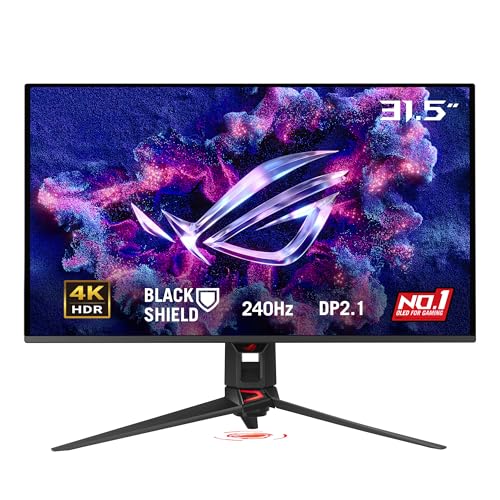
32-inch 4K (3840 x 2160) QD-OLED gaming monitor with 240 Hz refresh rate and 0.03ms response time

DETAILED QD-OLED WORLDS LIVE ON A WIDER, VIBRANT SCREEN: With QD-OLED technology, enjoy a wider color spectrum & vibrant images that captivate you and take gaming to new heights; Content springs to life on a Dual QHD (5120 x 1440) resolution screen.
OLED Gaming Monitor Burn-In Defenses Explained

OLED Gaming Monitor Burn-In Defenses Explained
Worried that dropping cash on an OLED gaming monitor means you’re buying a ticking time bomb? Yeah, I get it. That burn-in thing used to be a legit problem, but here’s what’s changed: modern OLED panels come loaded with actual defenses that work.
Manufacturers aren’t just hoping for the best anymore. They’ve built in pixel-shifting algorithms that move images around your screen so nothing stays in one spot too long. There’s also brightness limiting—the monitor won’t let things get so bright that the pixels fry themselves. Add in automatic screen savers and sleep modes, and you’ve got a solid safety net.
The tech doing the heavy lifting:
Take ASUS ROG Swift OLED models. They use something called Tandem OLED architecture, which basically means the panels are built tougher from the ground up. LG’s pushing their fourth-generation Primary RGB technology, which makes the chemicals inside the panel more stable over time. Different approach, same goal—keeping your monitor looking fresh for years.
So, why does all this matter? Because those burn-in horror stories you’ve probably heard? A lot of them come from lab tests that have nothing to do with real gaming. In actual use—playing games, switching between apps, taking breaks—you’re nowhere near those extreme conditions.
I’ve found that treating your monitor like you’d treat any piece of gear helps too. Let it sleep when you’re not using it. Don’t leave the same game menu on your screen for eight hours straight. Honestly, most gamers do this stuff naturally without even thinking about it.
The numbers back this up. Independent testing shows modern OLED gaming monitors can run for 30,000 hours or more without falling apart. That’s way longer than most people keep a monitor anyway, and it actually beats what traditional LCD screens can do.
Want a monitor that’ll last through your competitive gaming career and then some? OLED’s no longer the risky bet it used to be.
Response Time Beats Burn-In Risk
If you’re thinking about grabbing an OLED gaming monitor, you’ve probably heard the burn-in warnings. But here’s what actually matters when you’re trying to get an edge in competitive games: response time crushes that theoretical risk every single time.
OLED monitors deliver 0.02ms response times. That’s not just a number—it means 60% better motion clarity compared to standard LCD screens. When you’re in a fast-paced match, those milliseconds determine whether you catch your opponent’s movement or miss it entirely. The LG UltraGear 27GX790B-B pulls off 720Hz at 720p and 540Hz at 1440p, which lets you spot micro-movements that basically don’t exist on slower displays.
Looking ahead, newer 27-inch models are hitting 500Hz refresh rates. So why does this matter? Because in competitive gaming, your display’s speed directly affects your ability to react and perform.
The numbers back this up. Industry data shows response times will improve by 28% over the next few years, making this the real performance factor that separates competitive-viable displays from the rest. Burn-in’s been a concern for decades with OLED tech, but modern panels handle it way better than they used to.
Try this: test a high-refresh OLED monitor yourself if you can. Feel the difference in responsiveness. That’s what’ll actually change how you play.
Honestly, if you’re serious about competitive gaming, response time is what you should be focused on—not worrying about a risk that’s become increasingly unlikely with current technology.
ASUS, LG, and Alienware: OLED Models Ranked
Looking for a new OLED monitor but overwhelmed by all the options out there? You’re not alone. The market’s gotten pretty crowded lately, and it’s tough to know which brand actually delivers on its promises.
What’s Actually Happening in the OLED Space
ASUS, LG, and Alienware are the three companies you should pay attention to right now. ASUS is pulling ahead in overall market share for 2026, while LG Display controls most of the panel production—they’re pushing to make somewhere between 800,000 and 1 million units every year. Meanwhile, Alienware’s ramping up their gaming lineup in the second half of 2026. So why does this matter? Because where these companies are investing tells you where monitor tech is actually headed.
What Makes Each Brand Different
ASUS integrates Tandem OLED technology with TrueBlack Glossy coating. The real benefit? You get better brightness without sacrificing that deep black quality or longevity that makes OLED worth the investment in the first place.
LG’s UltraGear 27GX790B-B is their flagship offering, hitting 720Hz at 720p and 540Hz at 1440p. They’ve also partnered with NVIDIA for G-Sync optimization, which matters if you’re running NVIDIA hardware.
Alienware takes a different approach. They’re focusing on specialized esports needs through expanded offerings targeted at people who need rapid eye movement responsiveness—basically, competitive gamers.
The Actual Performance Numbers
Here’s where things get concrete. All three brands deliver 0.02ms response times—that’s genuinely fast. You’ll also see about 60% motion clarity improvements compared to old LCD panels, plus superior contrast ratios that make everything look sharper and more defined.
Honestly, if you’re torn between these three, think about what you actually use your monitor for. Are you gaming competitively? Working on design or color-critical tasks? Gaming casually? That’ll narrow things down faster than chasing specs alone.
Recommended Products

New QD-OLED series gaming monitor features the latest generation QD-OLED panels. The sub-pixel arrangement improves your viewing experience.

EXPERIENCE A BRIGHTER, MORE DETAILED WORLD: Small details make a big difference. This QD-OLED screen delivers clear and sharp 4K quality, so you can see the subtle shadows in every scene.

DETAILED QD-OLED WORLDS LIVE ON A WIDE, VIBRANT SCREEN: With OLED technology, enjoy a wider color spectrum & vibrant images, elevating your gaming experience; Content springs to life on an Ultra-WQHD (3440 x 1440) resolution screen
OLED Gaming Monitor Warranties and Guarantees
Thinking about dropping serious cash on an OLED gaming monitor? You’re not alone—the market’s exploding, and for good reason. Gaming monitors hit USD 2.28B in 2026 and are expected to jump to USD 3.48B by 2032. That’s real money people are investing in these panels.
The thing is, warranty coverage matters way more than you might think. Honestly, it’s one of the first things you should check before buying because it tells you a lot about whether the manufacturer actually trusts their own product to last.
ASUS, LG Display, and Alienware are basically running the show right now, especially with what they’re rolling out in H2 2026. They all offer pixel guarantee protections—which is fancy talk for burn-in coverage. But here’s where it gets tricky: the specifics vary wildly between brands.
So, why does this matter? Because burn-in is still a real concern with OLED, even if it’s less common now than it used to be.
What each manufacturer is actually doing:
ASUS pairs extended warranty coverage with their Tandem OLED technology. LG Display focuses on panel longevity in their UltraGear models, meaning they’ve engineered the panels to last longer from the start. Alienware structures their warranty specifically to protect you from static HUD retention—those ghosted images that stick around on your screen.
When you’re comparing monitors, don’t just glance at the warranty length. Dig into the actual pixel guarantee specs, check how long coverage lasts, and understand what the replacement process looks like if something goes wrong. The thoroughness of a warranty usually reflects how confident the manufacturer is in their burn-in prevention work.
Truth is, a solid warranty can save you hundreds down the line. Take the time to read the fine print now so you’re not frustrated later.
Recommended Products
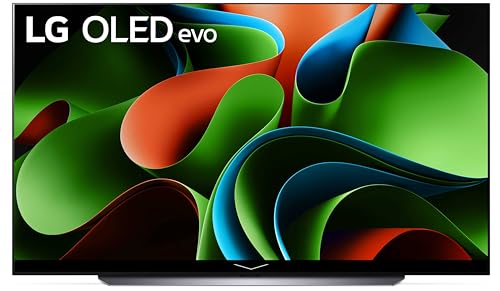
LG OLED EVO: The LG OLED evo is powered by the a9 AI Processor Gen6—made exclusively for LG OLED—for beautiful picture and performance. The Brightness Booster improves brightness so you get luminous picture and high contrast, even in well-lit rooms.* AI-assisted deep learning analyzes what you're watching to choose the best picture and sound setting for your content..Operating humidity : Less than 80 %

Experience amazing, beautiful picture quality with infinite contrast, deep black, and over a billion colors, now even brighter*, thanks to LG's 8 million self-lit OLED pixels.Impedance : 75 ohm

LG USA AUTHORIZED - Includes 26 Months Extended Protection in ADDITION to the Included FULL Manufacturer Protection | LG UltraGear 45" OLED 5K2K (5120x2160) 330Hz G-sync Curved Gaming Monitor
Frequently Asked Questions
What Is the Typical Lifespan of an OLED Gaming Monitor Before Noticeable Degradation Occurs?
I’ll give you the direct answer: most OLED gaming monitors last 30,000+ hours before noticeable degradation occurs. Lifespan comparison shows OLEDs rival traditional displays when degradation factors like brightness, usage patterns, and heat management are controlled properly.
How Do OLED Burn-In Risks Compare Across Different Gaming Genres and Playstyles?
I’d say burn-in risks vary considerably based on genre impact and playstyle influence. Competitive esports with static HUDs pose higher risks, while story-driven games with dynamic visuals minimize it. Your gaming habits ultimately determine burn-in susceptibility more than the monitor itself.
Can OLED Monitors Be Repaired if Burn-In Damage Develops After Warranty Expiration?
I’ll be straight with you: repairing post-warranty burn-in is like trying to put toothpaste back in the tube. Most manufacturers won’t touch it. Your best shield? Implementing burn-in prevention strategies and understanding repair techniques before warranty expires—that’s your lifeline.
What Settings or Habits Help Minimize OLED Burn-In Risk During Competitive Gaming Sessions?
I’d recommend lowering your brightness settings below maximum and rotating your gaming habits—take breaks every hour, vary your games to change HUD positions, and enable auto-off features. These practices greatly reduce burn-in risk during intense competitive sessions.
How Do OLED Panel Costs Compare to Mini-Led Alternatives for Budget-Conscious Esports Players?
I’ll investigate whether Mini-LED truly saves you money upfront. OLED costs more initially, but I’ve found Mini-LED affordability attracts budget players. However, OLED cost efficiency improves as manufacturing scales, narrowing that price gap considerably for competitive gamers.